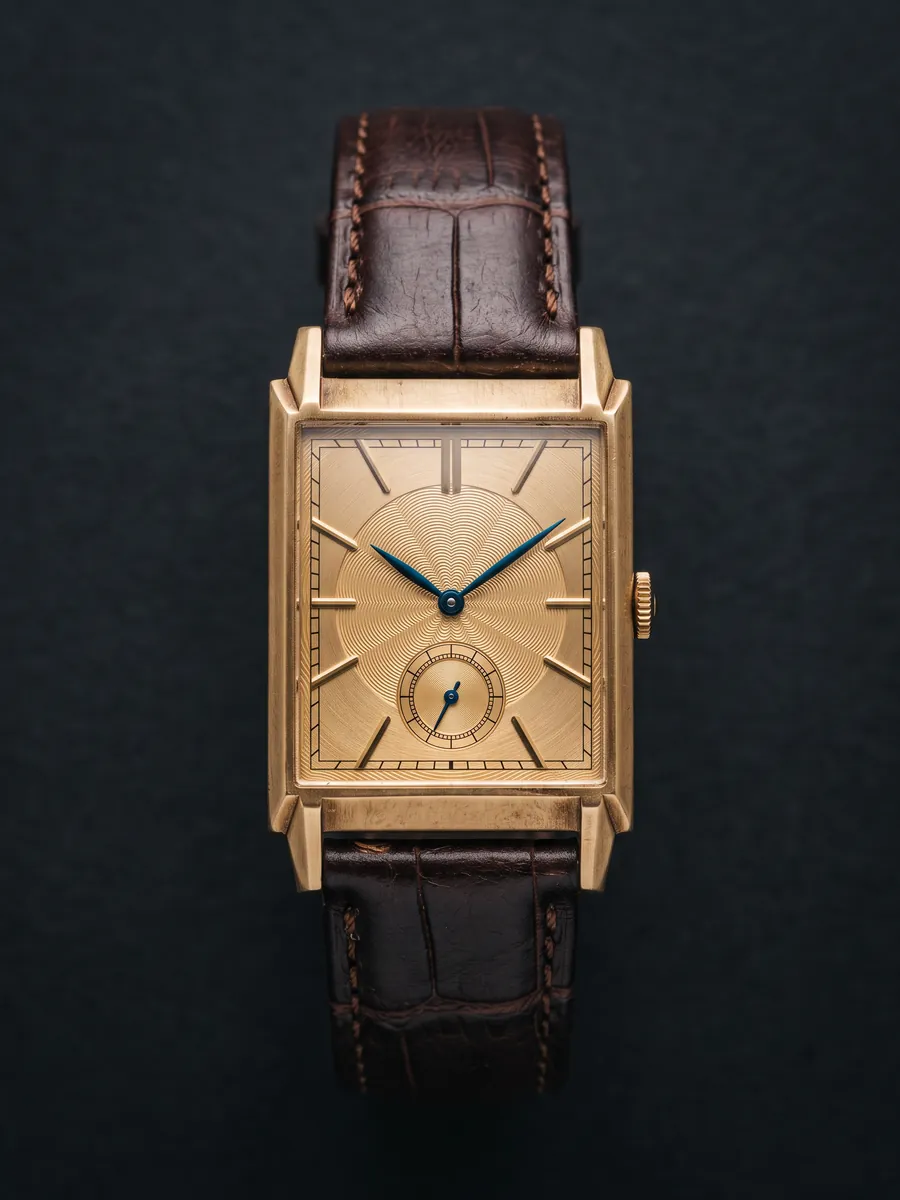
Champagne
Sector dial · guilloché centre · espresso alligator
$8,400
Maison d’HorlogerieEst. 1926
The Centenary 1926 — a hand-finished tribute to our first tank calibre.
Two hundred and sixty-two pieces. Then the doors close again.
The Centenary, examined
Champagne, cut into sectors the way we drew them in 1926. The centre is engine-turned on a hand-cranked rose lathe — one hundred and forty concentric passes, no two dials identical. The indices are solid brass, mirror-lapped, set by hand.
Guilloché · applied indices · heat-blued steel hands
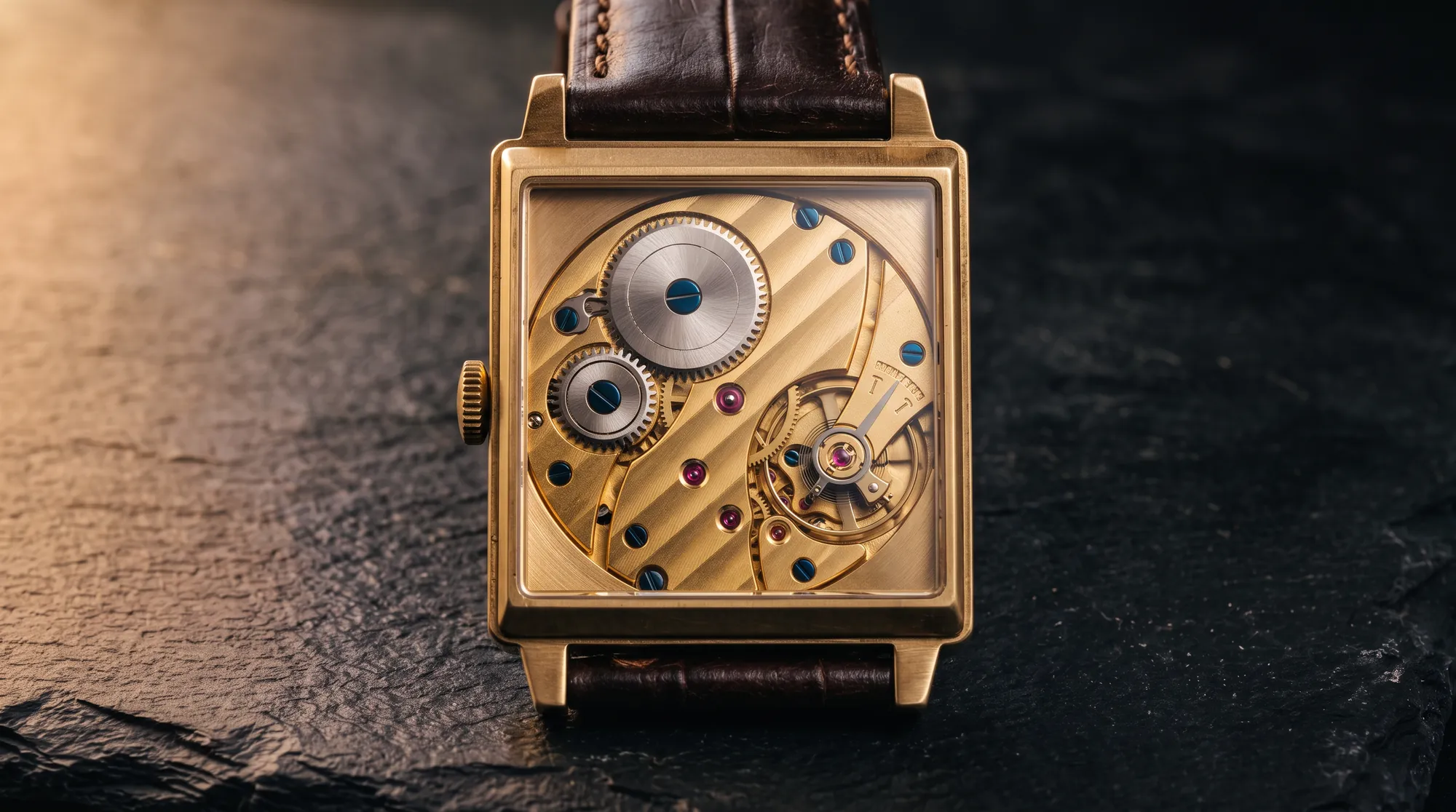
Calibre AV‑26, wound by crown, finished whether you can see it or not. Gilt bridges striped by hand, screws blued over an open flame, forty hours of reserve. The exhibition back was a controversial choice in-house. Then everyone saw it.
Manual wind · 40h reserve · 19 jewels
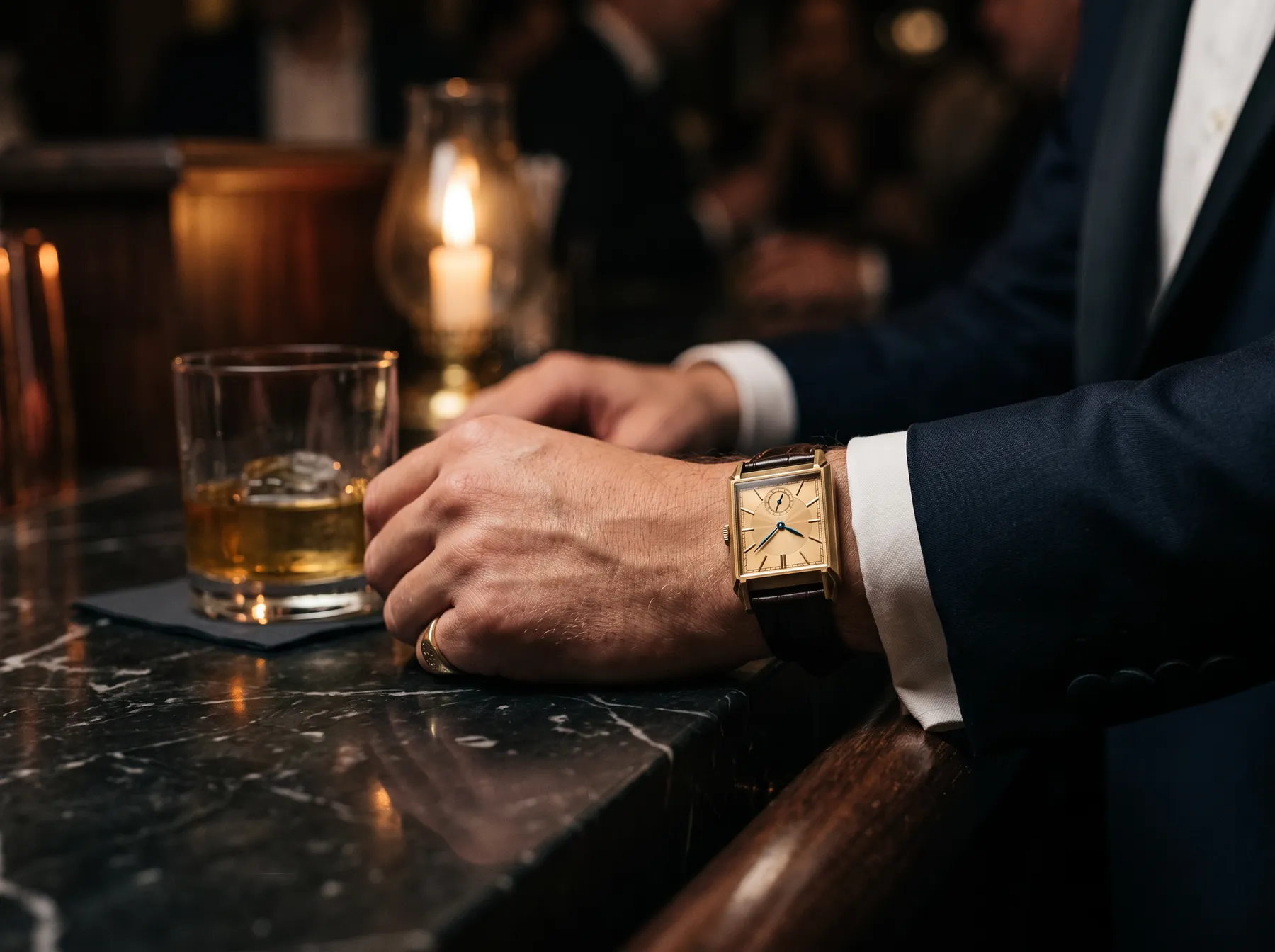
A tank case sits flat under a cuff — that was the whole argument for it in 1926, and it hasn’t aged a day. At 7.4 mm it disappears until candlelight finds it. Then it does what brass under candlelight does.
7.4 mm profile · 18k gilt brass · espresso alligator
The Collection
The Centenary tank in six dials, and the 1931 Ronde beside it. Same calibre behind all seven, same four pairs of hands. Three of them are below.
Sector dial · guilloché centre · espresso alligator
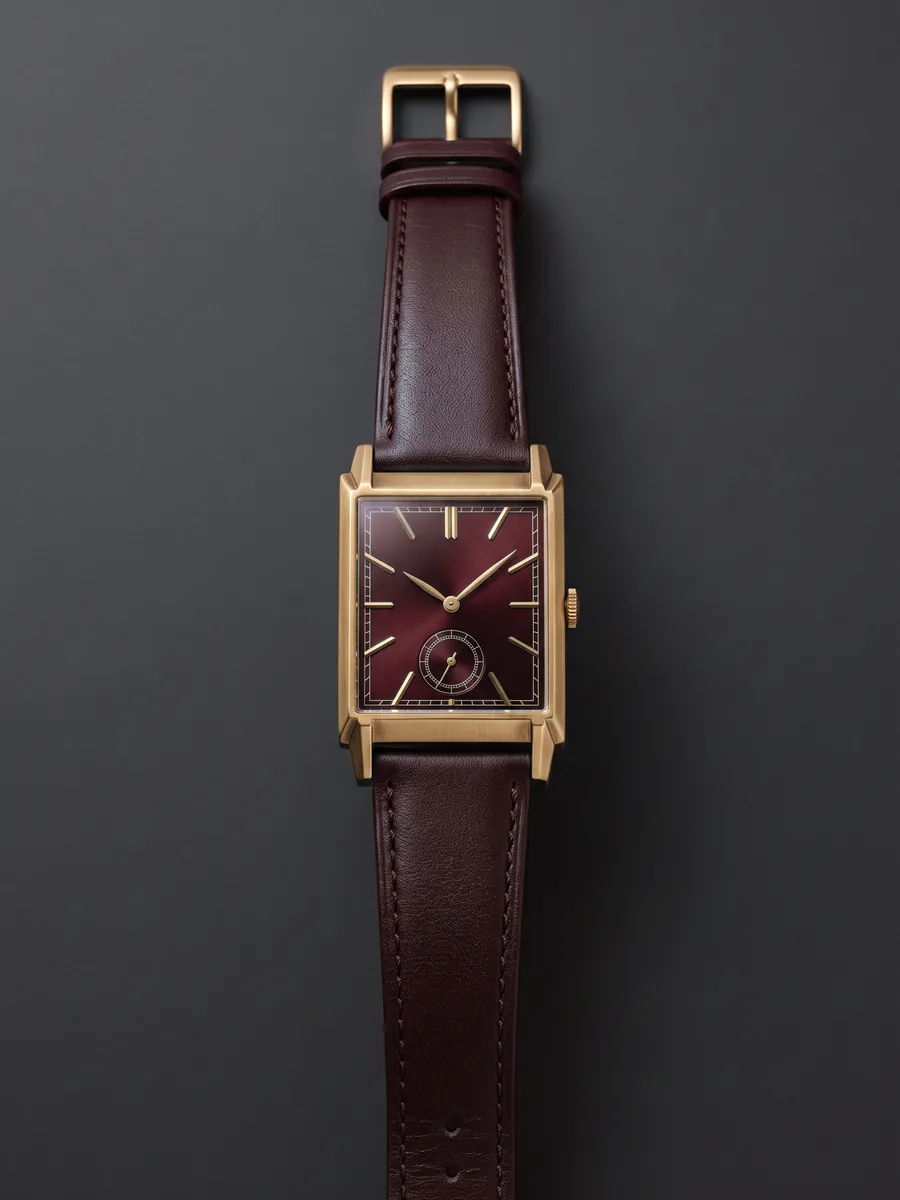
Bordeaux lacquer · brass-toned hands · burgundy calf
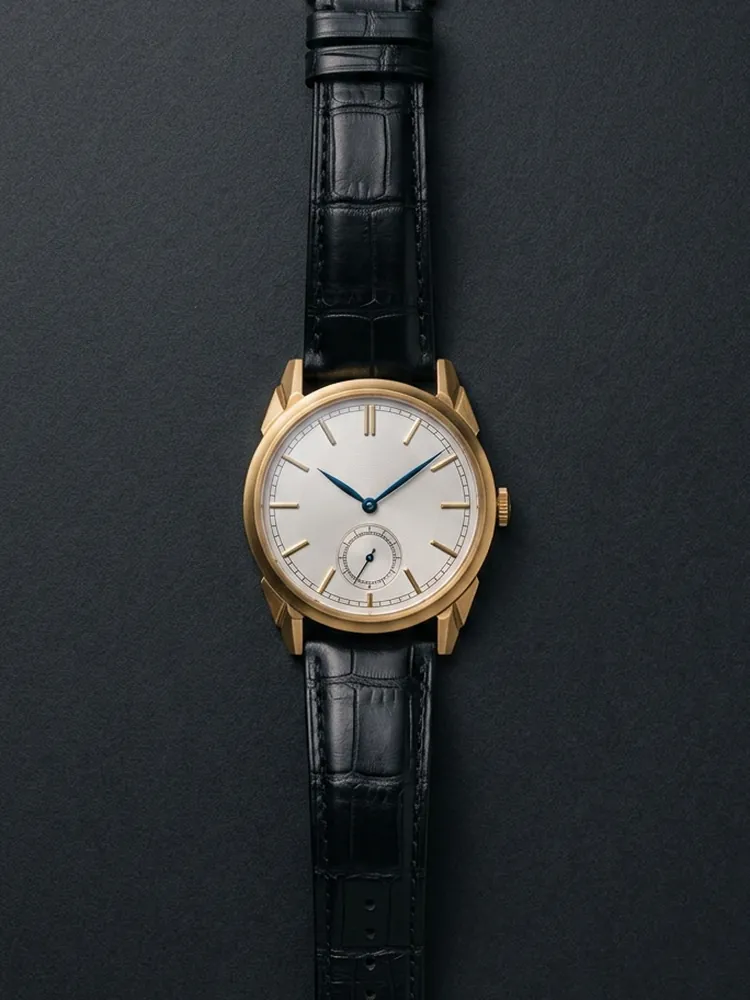
Opaline silver · blued hands · noir alligator
Each piece is numbered on the caseback by hand — n of 262 — and accompanied by its archive extract.
See all seven references
Collectors’ words
“I own watches that cost ten times as much. This is the one strangers ask about.”
“The dial does something at dinner that no photograph has managed to keep. You simply have to be there.”
“My grandfather wore the 1926. Mine says 202 of 262 on the back. We are, at last, on speaking terms.”
A four-man atelier drafts a rectangular calibre because round cases “waste the sleeve.” Two hundred pieces are made. Then the ledgers go quiet.
The workshop closes with the quartz tide rising, its tooling sealed in the family vault — drawings, lathes, and one unfinished dial.
The vault is opened for the centenary. Same drawings, same lathe, same argument — one hundred years on, wound by hand.
Reservations are taken in order of receipt, against a fully refundable deposit.
When the edition closes, it closes for another hundred years.